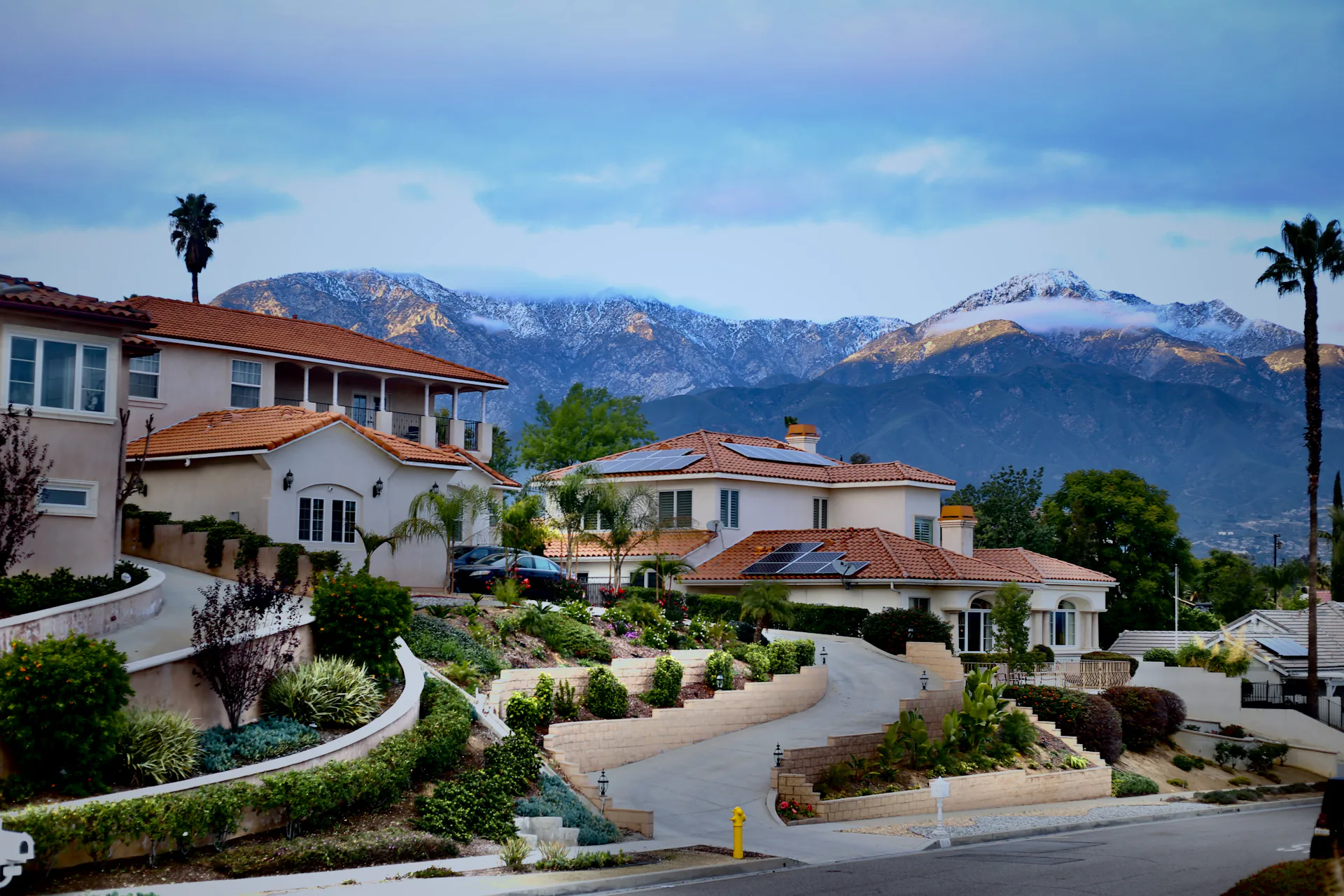
Your Roof Makes The Power. Your Battery Keeps It On.
Panels cover your daytime power. A battery carries the house through the 4 to 9 PM peak and through shutoffs. See if your home is a fit, then talk it through with a real person.
- Installed by licensed California contractors. Check any license on the state's site.
- Independent company. Not your utility, not a government program.
Sources: Cal Advocates electric rate report, Q2 2026. PG&E, SCE and SDG&E time-of-use plans. Public Law 119-21 (July 2025).
Solar alone isn't the answer it used to be. Solar with a battery is.
Since 2023, California utilities pay far less for the power your panels send back to the grid. The value now is in using your own power, especially in the evening when it costs the most. A battery stores what the roof makes at noon and runs the house after 4.
Check my homeThree steps, and nothing is signed until step three
You find out whether solar and a battery make sense for your home before anyone sets foot on the roof.
Answer a few questions
About two minutes on your phone: your bill, your roof, and what you want fixed. Then pick a time for a call.
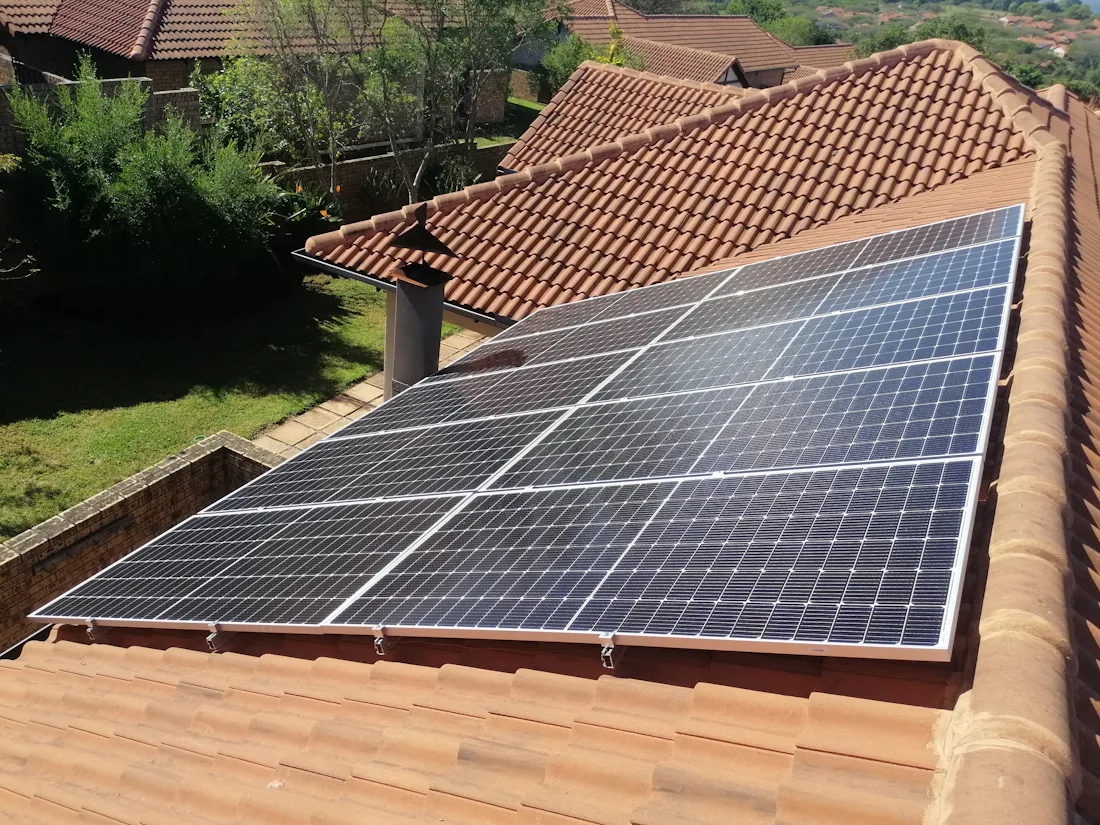
A short call, off your real bill
We go over a recent bill and an overhead view of your roof with you, and tell you straight whether it makes sense. If it doesn't, you hear that on the call.
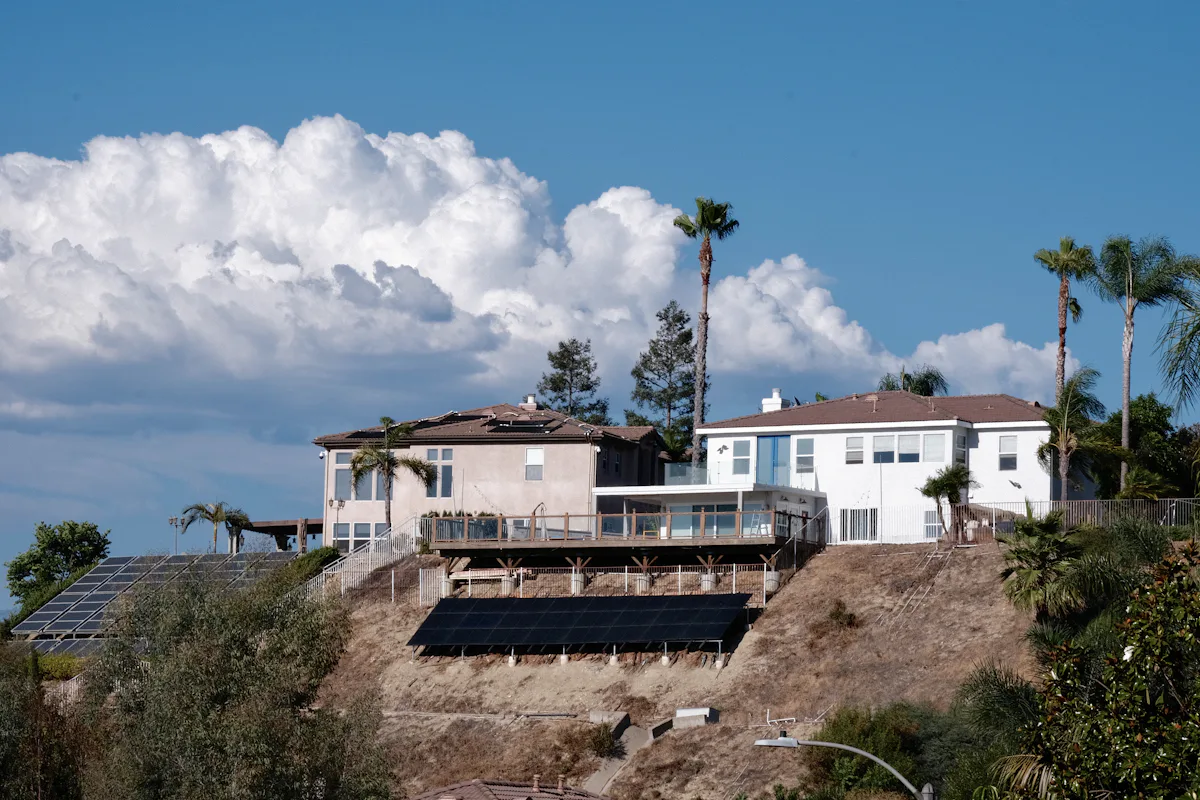
Everything in writing, then the install
If it fits, you get the rate, the term, and the system design on paper before you sign. A licensed California contractor does the work.
What your power costs today, and what a battery changes
California's three big utilities charge close to double the US average or more, and the most expensive hours are the ones panels can't cover on their own.
- PG&E averages 33.7 cents, SCE 34.4 and SDG&E 45.5, against about 18 cents nationally. SCE's rate has doubled in ten years.
- Evening power costs the most. Standard plans on all three charge their highest prices from 4 to 9 PM.
- Fire-weather shutoffs still cut power in foothill and backcountry areas on all three utilities.
- Panels make most of your daytime power right on your roof.
- The battery stores the midday extra and runs the house through the evening peak.
- In a shutoff, the battery keeps the essentials running. How much it covers depends on its size, and we go over that on the call.
- With a lease or power purchase agreement, the system owner pays for the equipment and you pay a monthly rate for the power, with $0 upfront.
The one real deadline. Lease and power purchase pricing includes a federal tax credit the system owner claims. For most new systems that credit requires the system to be running by December 31, 2027, and permits and utility hookup take months. The homeowner credit for buying a system ended in 2025.
Sources: Cal Advocates Q2 2026 (June 2026 residential averages; SCE up 101% in ten years). EIA Short-Term Energy Outlook, 2026 US residential average. PG&E E-TOU-C, SCE TOU-D-4-9PM and SDG&E TOU-DR1 schedules. 2025 and 2026 PSPS post-event reports. IRS guidance on Public Law 119-21.
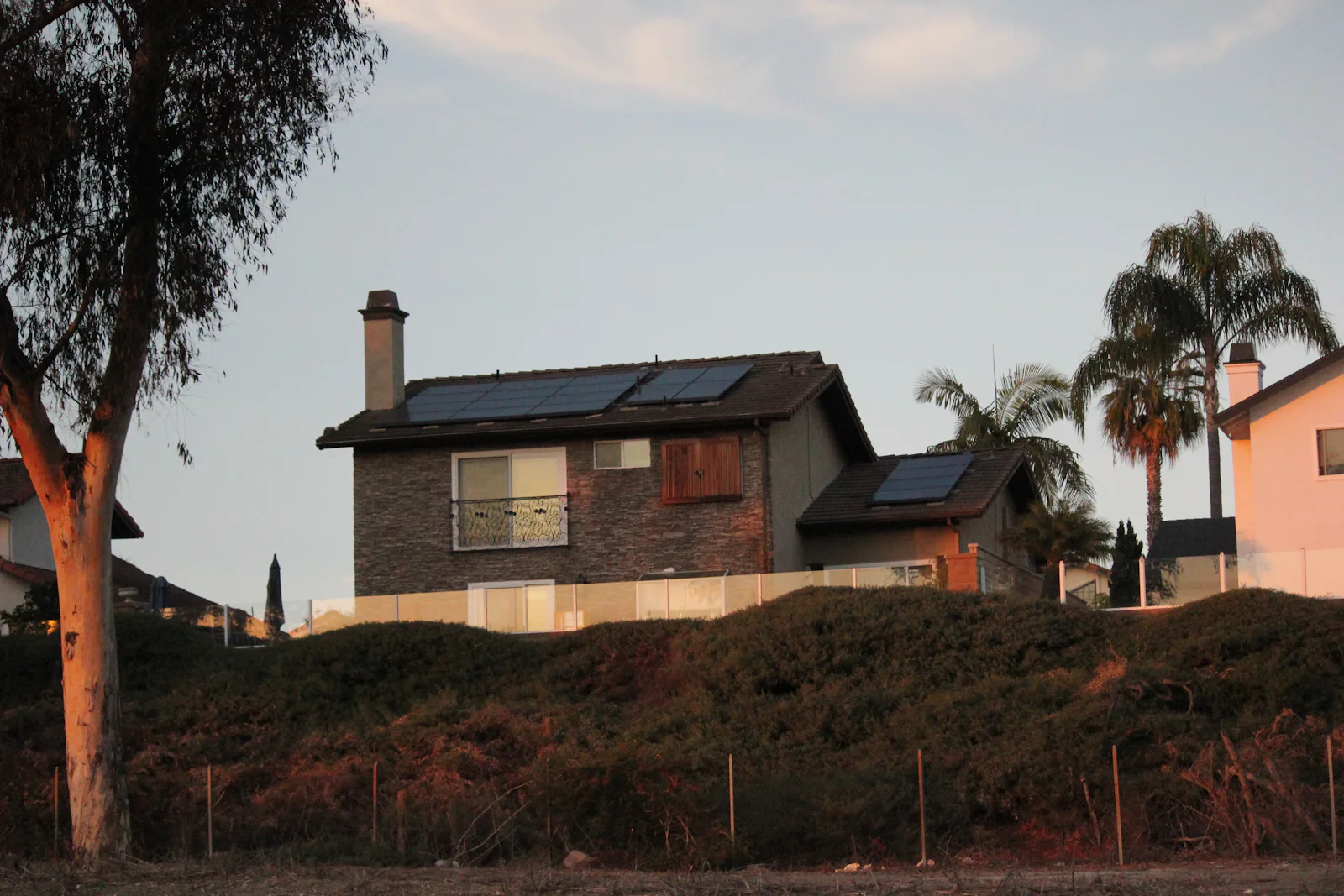
Licensed California contractors, and you can check them
California requires a licensed contractor for every solar install. We work with several across the state, matched to your area and your home.
The installer is named up front
Your agreement names the company doing the work and its California license number. Look it up on the Contractors State License Board site before you sign.
Every term in writing first
Rate, length of the agreement, warranty, and who maintains the system, on paper before you sign. California gives you three business days to cancel, five if you're 65 or older.
The state's guide comes first
California requires its Solar Consumer Protection Guide before any solar contract. We'd rather you read it before the call.
A person who picks up, not a call center
Your call is with Kaden. He looks at your bill and roof before you talk, tells you whether solar and a battery make sense for your home, and answers what you'd want answered before anyone is on your roof.
Straight answers
Is this a government program?
No. California Sustainable Energy is an independent company. We're not affiliated with PG&E, SCE, SDG&E, any utility, the State of California, or the Center for Sustainable Energy.
Do I stay with my utility?
Yes. Your home stays connected to the grid and you keep a small bill from your utility, including the monthly base charge every customer pays. Solar and a battery shrink how much power you buy from them.
What does it cost?
It depends on the option. With a lease or power purchase agreement, the system owner pays for the equipment and you pay a monthly rate for the power, with $0 upfront. You can also buy a system outright. Your actual numbers come off your bill and roof on the call, never off an ad.
My roof is older. Does that rule me out?
No. Panels stay up for 25 years or more, so a roof near the end of its life may need work first. We look at it before the call and tell you what we see.
What happens on the call?
About 15 minutes. We go over a recent bill, an overhead view of your roof, and what you want a battery to keep running. If your home isn't a fit, you hear that on the call. Calls are recorded.
Will you sell my number?
No. One company contacts you: us. Reply STOP to any text and the texts stop.
What if I sell the house?
It depends on the agreement. How a sale is handled is in the written terms, and we go through it before you sign.
See if solar and a battery fit your home
A few questions, then a call at a time you pick.
Before any solar agreement, California asks every homeowner to read its Solar Consumer Protection Guide. It explains leases, power purchase agreements, and the questions to ask any solar company, including us.